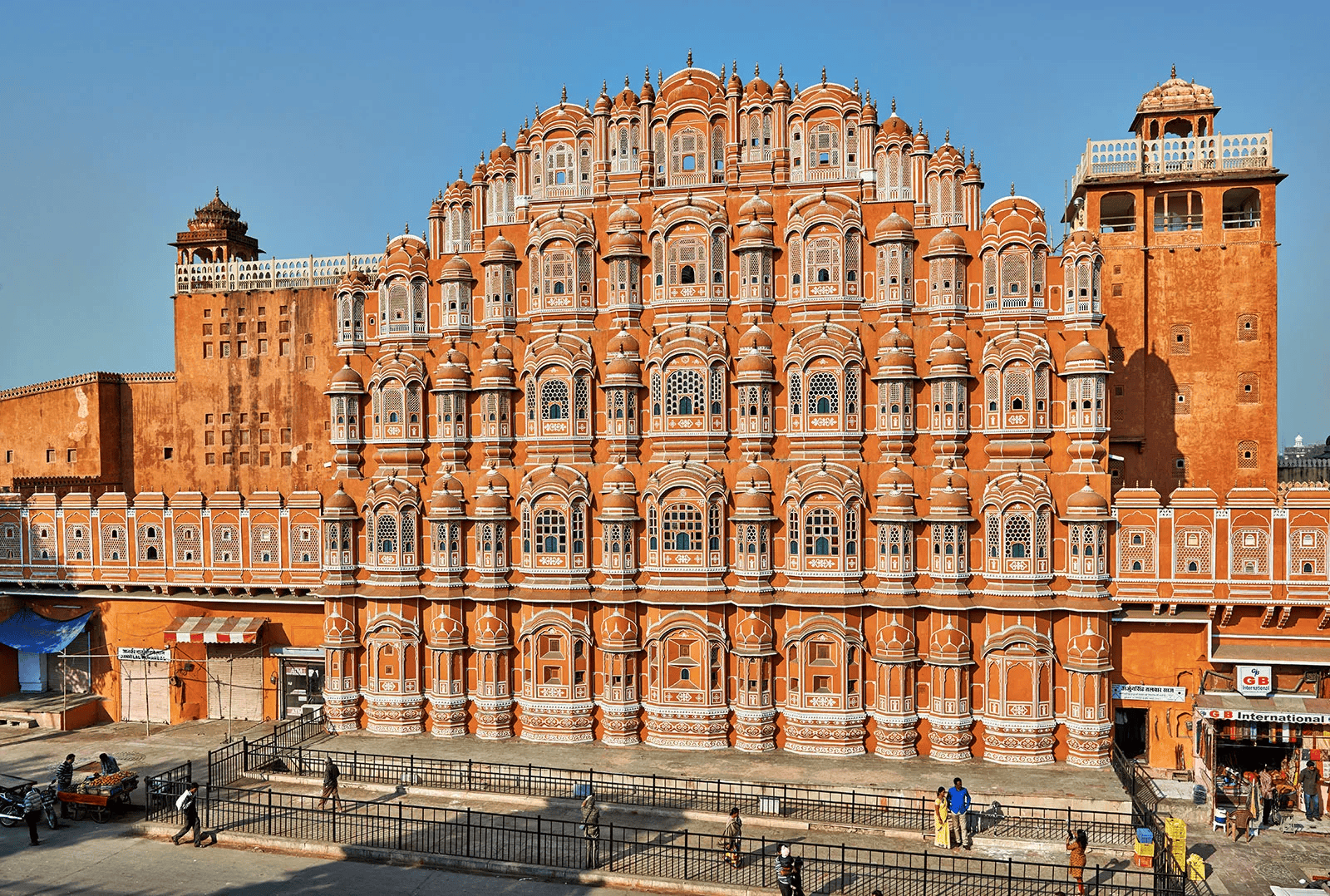
If you’ve ever visited Jaipur, you might have noticed its unique pink-coloured buildings. But have you wondered why Jaipur is called the Pink City? Let’s find out.
The Story Behind the Pink Colour
The pink shade of Jaipur isn’t just for beauty — it has history.
- In 1876, the Prince of Wales (later King Edward VII) visited India.
- To welcome him, Maharaja Sawai Ram Singh ordered the entire city to be painted pink.
- Pink was considered the colour of hospitality.
Since then, Jaipur has been known as the Pink City of India.
Architecture and Heritage
Jaipur’s old city is still painted in terracotta pink, keeping its royal charm alive.
- Famous landmarks like Hawa Mahal, City Palace, and Jantar Mantar glow in pink hues.
- The uniform colour gives Jaipur its distinct identity compared to other Indian cities.
- UNESCO even recognised Jaipur as a World Heritage City in 2019.
Examples from Indian Life
- Tourists love taking photos in front of the pink walls and palaces.
- Local shops in the old markets are also painted pink, creating a vibrant shopping experience.
- Bollywood movies often show Jaipur’s pink backdrop in wedding or royal scenes.
Why the Pink City Still Matters
Even today, the municipal rules of Jaipur maintain the pink heritage.
Residents and shop owners are encouraged to keep their buildings painted in the same shade, keeping history alive.
Key Takeaways
- Jaipur is called the Pink City because it was painted pink in 1876 to welcome the Prince of Wales.
- Pink symbolises hospitality and warmth.
- Landmarks like Hawa Mahal and City Palace add to its pink charm.
- The tradition continues, making Jaipur one of India’s most unique travel destinations.