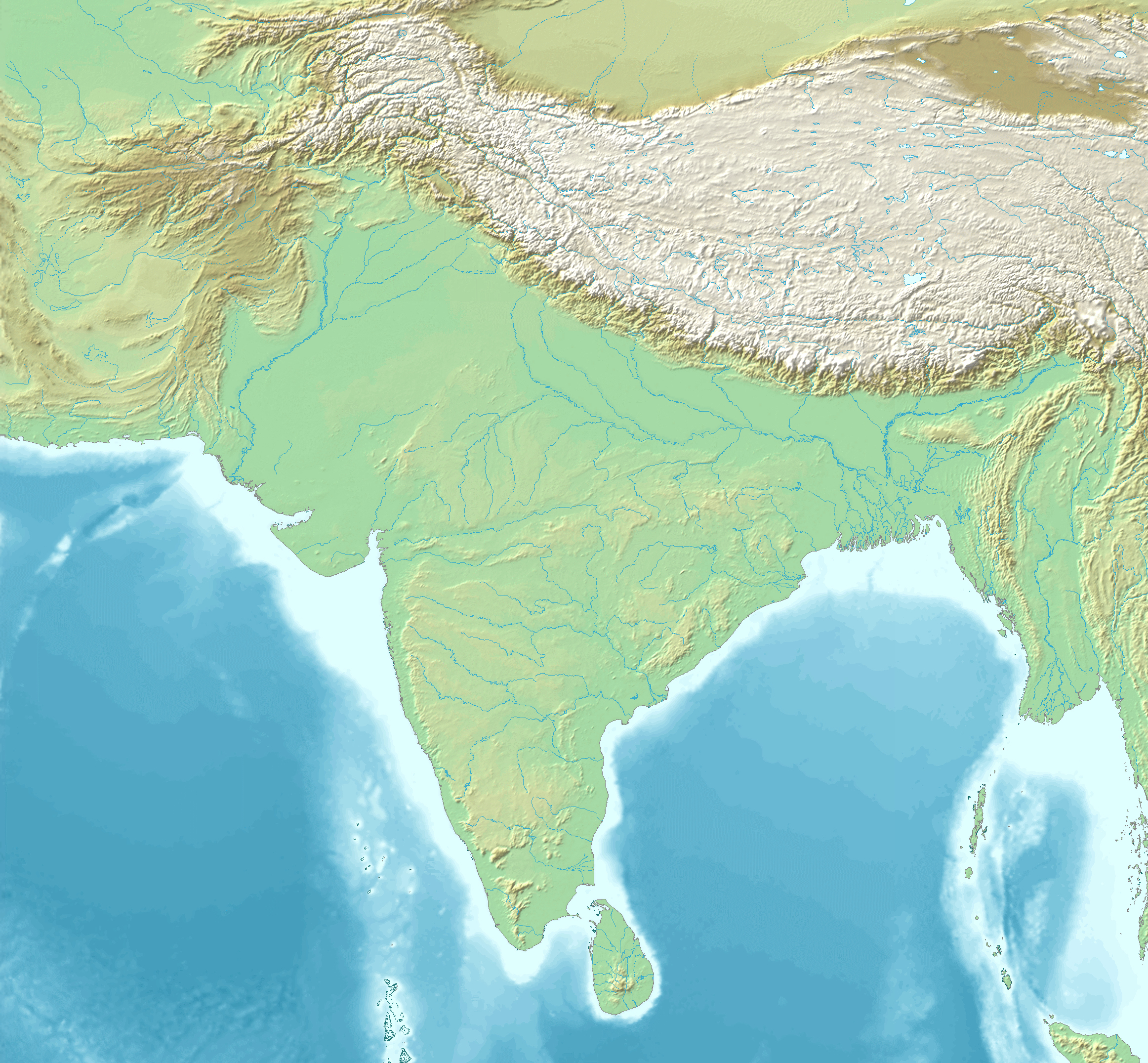
You may have heard India often described as a subcontinent. But what does that mean, and why is India given this title? Let’s understand in simple terms.
What Does “Subcontinent” Mean?
The word subcontinent refers to a large, distinct landmass that is part of a continent but has unique features of its own.
- It is bigger than most countries.
- It has its own geography, climate, culture, and history.
- The Indian subcontinent includes India, Pakistan, Bangladesh, Nepal, Bhutan, Sri Lanka, and Maldives.
Why India Is Called a Subcontinent
India is called a subcontinent because of its:
1. Size and Geography
- India covers about 3.28 million sq km — one of the largest countries in the world.
- Surrounded by the Himalayas in the north and oceans on three sides, India forms a natural boundary.
2. Cultural Diversity
- Multiple languages, religions, and traditions flourish here.
- From classical dance in Tamil Nadu to folk music in Rajasthan, the variety is unmatched.
3. Historical Importance
- Civilizations like the Indus Valley grew here thousands of years ago.
- India has influenced world history through trade, spirituality, and culture.
4. Climate Variety
- Snowy mountains in Kashmir, deserts in Rajasthan, tropical forests in Kerala — all in one country.
Examples from Indian Life
- Students in Indian schools study about India as the Indian subcontinent in geography.
- Bollywood films often showcase the diversity — like Zindagi Na Milegi Dobara (desert scenes) vs Kashmir Ki Kali (mountain scenes).
- Indian cricket fans proudly say the team represents not just India, but the subcontinent spirit.
Key Takeaways
- A subcontinent is a large, distinct landmass within a continent.
- India is called a subcontinent due to its huge size, natural boundaries, cultural diversity, and ancient history.
- Together with neighbouring countries, India forms the Indian subcontinent.